
Creativity as Care
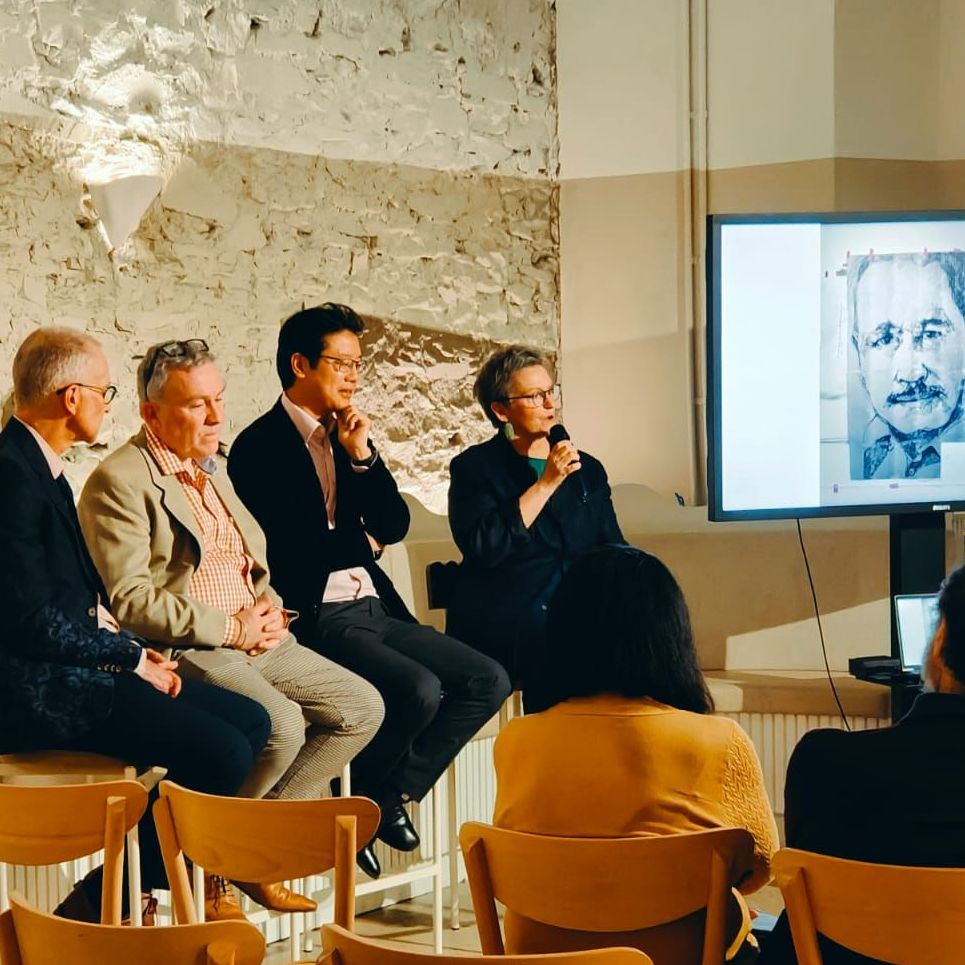 SALA Arts in Health Palliative Artist in Residency 2024,
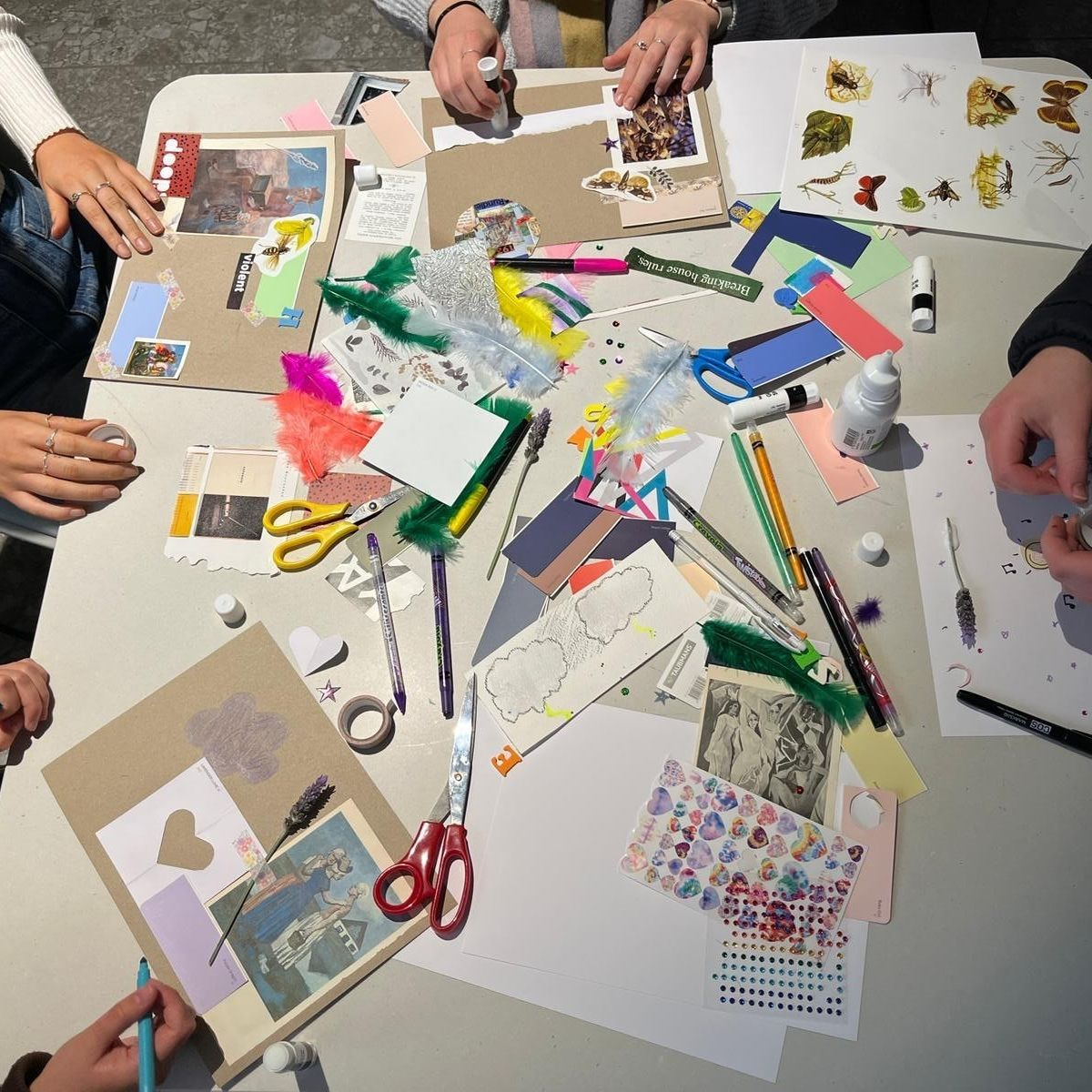 Arts in Health Workshop 2024,
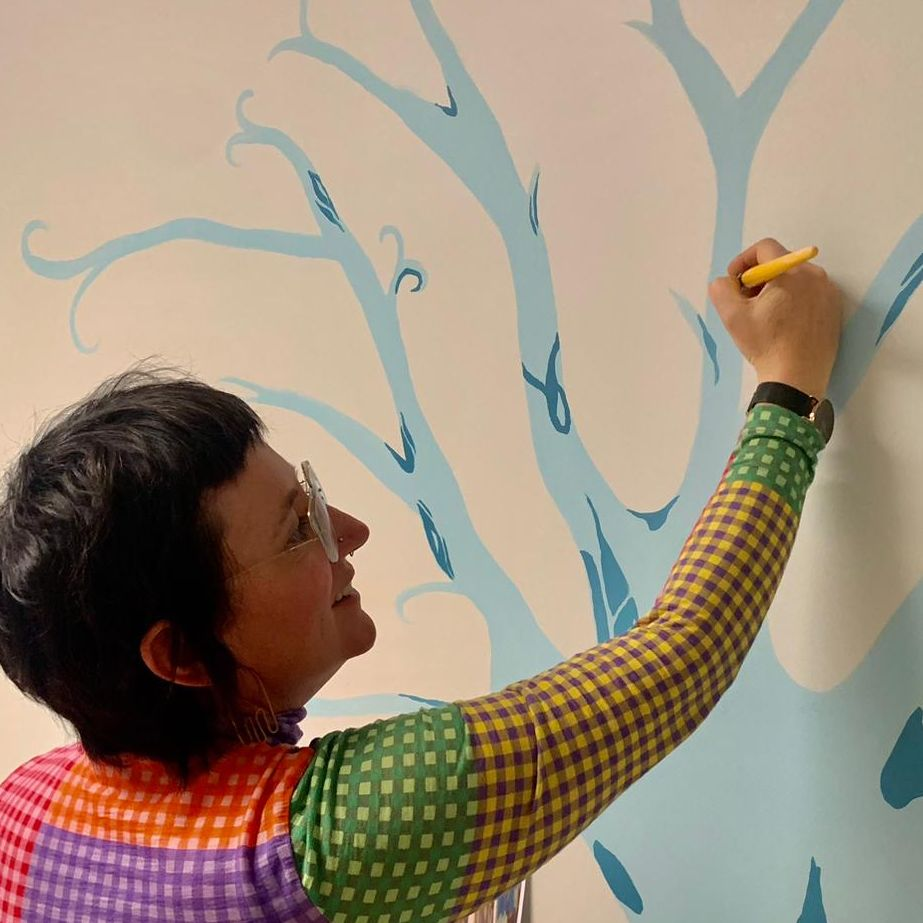 Claire McKee Ward 4GP Mural 2024, Painting
331
Arts in Health at Southern Adelaide Local Health Network (SALHN)
Artist Talk,
Forum
Creativity as Care explores how arts and culture support healing, wellbeing and connection across healthcare and community settings. The program is in three-parts: Arts in Health forum, a KU Arts exhibition, and weekly creative wellbeing sessions for healthcare staff including sing-alongs, creative writing, craft and illustration.
As one of Australia’s longest-running and leading hospital-based Arts in Health programs, Arts in Health at Flinders Medical Centre is helping shape the future of healthcare through creativity, culture and connection. Presented with KU Arts, Adelaide University and Flinders University, Creativity as Care brings together clinicians, artists, researchers and community voices through forums, exhibitions and creative wellbeing experiences during SALA. The program highlights the growing role of arts in healing environments, workforce wellbeing, recovery, social prescribing and systems change — positioning South Australia at the forefront of contemporary Arts in Health practice.
Session 1 — Arts and culture in hospital care
Creativity, healing environments and human-centred care
How might creativity support care, recovery, dignity and wellbeing within hospital environments?
This session explores the unique role of Arts in Health within acute healthcare settings, including direct patient and consumer care, music therapy, art therapy, creative writing, consumer perspectives, culturally responsive care, diverse communities, healthcare staff wellbeing, research, education and healing environments.
Drawing on evidence across mental health, paediatrics, women’s and neonatal health, rehabilitation, ageing and palliative care, the panel considers how arts and culture can reduce anxiety, agitation, pain and distress; support emotional expression and trauma recovery; strengthen communication, reflection and professional identity formation; and contribute to calmer, safer and more welcoming healthcare environments.
The session also explores the growing recognition that safety in healthcare is often relational, cultural and environmental - sensed and felt through sound, image, light, atmosphere, story, relationship and belonging.
Arts-based approaches provides important non-verbal modalities for expression, helping people process complex emotions and big feelings, to find sanctuary, experience play, distraction and moments of relief within often stressful healthcare environments and experiences.
Together, the panel considers how creativity can help shape more human, connected and compassionate models of care for patients, families, staff and communities.
Session 2 — Community arts for health and wellbeing
Creativity, connection and flourishing beyond hospital walls
What role might arts and culture play in rehabilitation, prevention, belonging and population wellbeing?
This session explores community arts, public health, Arts on Prescription and social prescribing through perspectives from artists, general practice, community practitioners and health professionals working across wellbeing, participation and recovery.
Drawing on growing evidence from public health, mental health and community wellbeing, the panel considers how creative participation can reduce loneliness and isolation, strengthen resilience, support emotional wellbeing, foster identity and belonging, and contribute to healthier, more connected communities.
Conversations will explore the role of arts and culture across the lifespan, from becoming a family, to ageing, caregiving, trauma recovery, grief and loss, mental health and community resilience.
The session also examines the growing role of creativity within prevention and population health approaches, including how community-based arts participation may support recovery, self-management, social connection and community resilience in ways that strengthen wellbeing before crisis occurs and potentially reduce avoidable healthcare presentations and hospitalisation.
From storytelling and music to craft, dance, creative writing and cultural practice, arts-based approaches can provide accessible, relational and non-clinical pathways for reflection, joy, expression, participation and meaning in everyday life.
Together, the panel explores how creativity and cultural participation might help cultivate more connected, compassionate and flourishing communities beyond hospital walls.
Session 3 — Systems, strategy and futures
Research, policy and the future of healing arts in South Australia
As international momentum grows around Arts in Health, what might the future of healthcare, culture and wellbeing look like?
This session explores the growing intersection between research, policy, systems thinking and cultural leadership through perspectives spanning Arts in Health research, workforce wellbeing, healing environments, education, public policy and systems change.
The discussion will consider the increasing recognition by organisations including the World Health Organisation and the Jameel Arts & Health Lab that arts and culture contribute to prevention, recovery, workforce wellbeing, community connection and more compassionate systems of care. Conversations will also explore Healing Arts Week 2027, emerging Arts in Health research, translational practice, and the growing role of creativity in helping healthcare professionals remain connected to empathy, meaning and the human experience of care.
The session further examines the relationship between culture, health and the climate crisis, recognising that many contemporary health challenges are deeply relational, social, ecological and cultural in nature.
Together, the panel invites audiences to consider how creativity, imagination and cultural participation might help shape healthier, more connected and more humane futures, from hospitals and healthcare systems to communities and everyday life.
As one of Australia’s longest-running and leading hospital-based Arts in Health programs, Arts in Health at Flinders Medical Centre is helping shape the future of healthcare through creativity, culture and connection. Presented with KU Arts, Adelaide University and Flinders University, Creativity as Care brings together clinicians, artists, researchers and community voices through forums, exhibitions and creative wellbeing experiences during SALA. The program highlights the growing role of arts in healing environments, workforce wellbeing, recovery, social prescribing and systems change — positioning South Australia at the forefront of contemporary Arts in Health practice.
Session 1 — Arts and culture in hospital care
Creativity, healing environments and human-centred care
How might creativity support care, recovery, dignity and wellbeing within hospital environments?
This session explores the unique role of Arts in Health within acute healthcare settings, including direct patient and consumer care, music therapy, art therapy, creative writing, consumer perspectives, culturally responsive care, diverse communities, healthcare staff wellbeing, research, education and healing environments.
Drawing on evidence across mental health, paediatrics, women’s and neonatal health, rehabilitation, ageing and palliative care, the panel considers how arts and culture can reduce anxiety, agitation, pain and distress; support emotional expression and trauma recovery; strengthen communication, reflection and professional identity formation; and contribute to calmer, safer and more welcoming healthcare environments.
The session also explores the growing recognition that safety in healthcare is often relational, cultural and environmental - sensed and felt through sound, image, light, atmosphere, story, relationship and belonging.
Arts-based approaches provides important non-verbal modalities for expression, helping people process complex emotions and big feelings, to find sanctuary, experience play, distraction and moments of relief within often stressful healthcare environments and experiences.
Together, the panel considers how creativity can help shape more human, connected and compassionate models of care for patients, families, staff and communities.
Session 2 — Community arts for health and wellbeing
Creativity, connection and flourishing beyond hospital walls
What role might arts and culture play in rehabilitation, prevention, belonging and population wellbeing?
This session explores community arts, public health, Arts on Prescription and social prescribing through perspectives from artists, general practice, community practitioners and health professionals working across wellbeing, participation and recovery.
Drawing on growing evidence from public health, mental health and community wellbeing, the panel considers how creative participation can reduce loneliness and isolation, strengthen resilience, support emotional wellbeing, foster identity and belonging, and contribute to healthier, more connected communities.
Conversations will explore the role of arts and culture across the lifespan, from becoming a family, to ageing, caregiving, trauma recovery, grief and loss, mental health and community resilience.
The session also examines the growing role of creativity within prevention and population health approaches, including how community-based arts participation may support recovery, self-management, social connection and community resilience in ways that strengthen wellbeing before crisis occurs and potentially reduce avoidable healthcare presentations and hospitalisation.
From storytelling and music to craft, dance, creative writing and cultural practice, arts-based approaches can provide accessible, relational and non-clinical pathways for reflection, joy, expression, participation and meaning in everyday life.
Together, the panel explores how creativity and cultural participation might help cultivate more connected, compassionate and flourishing communities beyond hospital walls.
Session 3 — Systems, strategy and futures
Research, policy and the future of healing arts in South Australia
As international momentum grows around Arts in Health, what might the future of healthcare, culture and wellbeing look like?
This session explores the growing intersection between research, policy, systems thinking and cultural leadership through perspectives spanning Arts in Health research, workforce wellbeing, healing environments, education, public policy and systems change.
The discussion will consider the increasing recognition by organisations including the World Health Organisation and the Jameel Arts & Health Lab that arts and culture contribute to prevention, recovery, workforce wellbeing, community connection and more compassionate systems of care. Conversations will also explore Healing Arts Week 2027, emerging Arts in Health research, translational practice, and the growing role of creativity in helping healthcare professionals remain connected to empathy, meaning and the human experience of care.
The session further examines the relationship between culture, health and the climate crisis, recognising that many contemporary health challenges are deeply relational, social, ecological and cultural in nature.
Together, the panel invites audiences to consider how creativity, imagination and cultural participation might help shape healthier, more connected and more humane futures, from hospitals and healthcare systems to communities and everyday life.
27 Aug
Thu 2-5pm